Mon – Sat: 9:30 AM – 4 PM | Sun: Holiday
Varicose veins are swollen, twisted veins seen just under the skin, usually over the legs. They occur when the valves inside the veins stop working properly.
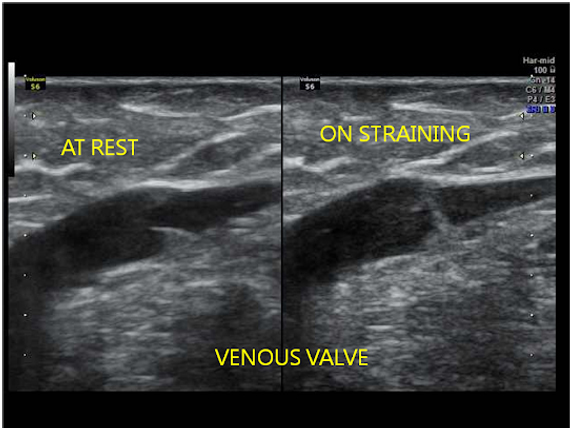
Normally, these valves allow blood to flow only upwards towards the heart. When they become weak or damaged, blood collects inside the leg veins, causing them to enlarge like a balloon. These enlarged veins are called varicose veins.
The medical term for this condition is Chronic Venous Insufficiency.
Your heart pumps oxygen-rich blood to the body through arteries. After oxygen is used by the tissues, the “impure” blood returns to the heart through veins.
In the legs, veins have to carry blood upward against gravity. To make this possible, veins contain one-way valves that prevent blood from flowing backward.
When these valves fail:
This is why varicose veins are more common in people who stand or sit for long hours.
Several factors increase the risk of developing varicose veins:
Varicose veins are not just a cosmetic problem. Common symptoms include:
If left untreated, varicose veins can lead to chronic pain, skin changes, infections, and non-healing ulcers.
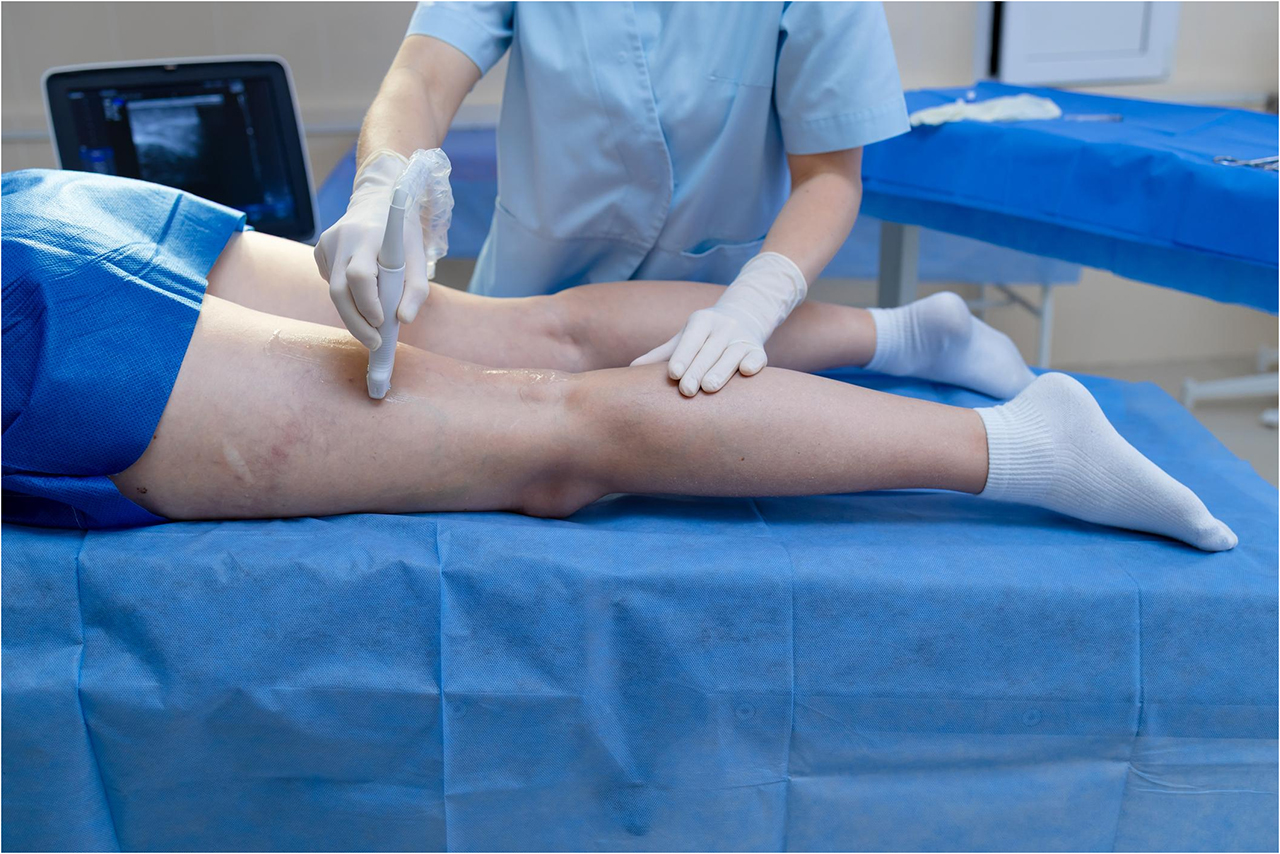
The most common and reliable test to diagnose varicose veins is a Colour Doppler Ultrasound scan.
This is a safe, painless, non-invasive test that shows:
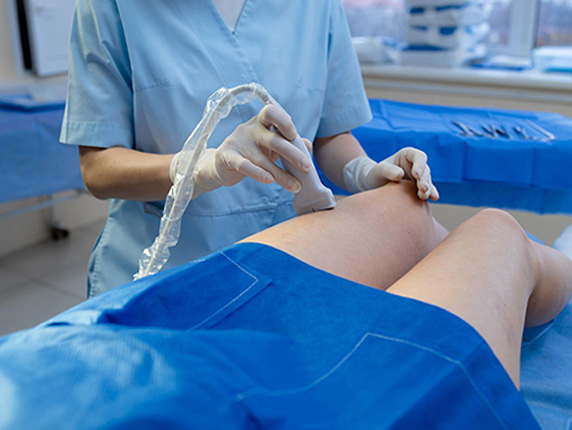
In complicated cases, additional tests may be advised:
Your vascular specialist will decide which test is needed based on your condition.
The right treatment depends on:
A vascular surgeon will guide you on the best treatment option for your case.
1. Lifestyle & Compression Therapy
These methods relieve symptoms but do not cure varicose veins.
2. Sclerotherapy (Injection Treatment)
A special chemical (sclerosant) is injected into the vein, causing it to collapse and slowly disappear.
3. Surgical Vein Removal
Also known as vein stripping, this procedure removes the damaged vein under anesthesia.
4. Endovenous Ablation (Laser or Radiofrequency)
A minimally invasive procedure done under local anesthesia.
There is no single treatment that suits everyone:
The best option depends on your vein anatomy and stage of disease, which is why a Doppler scan and vascular specialist consultation are important before deciding treatment.
At Foot & Vein Clinic, Bangalore, we provide:
Early treatment prevents complications like ulcers, infections, and bleeding.
Copyright © 2026 The Foot and Vein Clinic. All Rights Reserved
Powered By